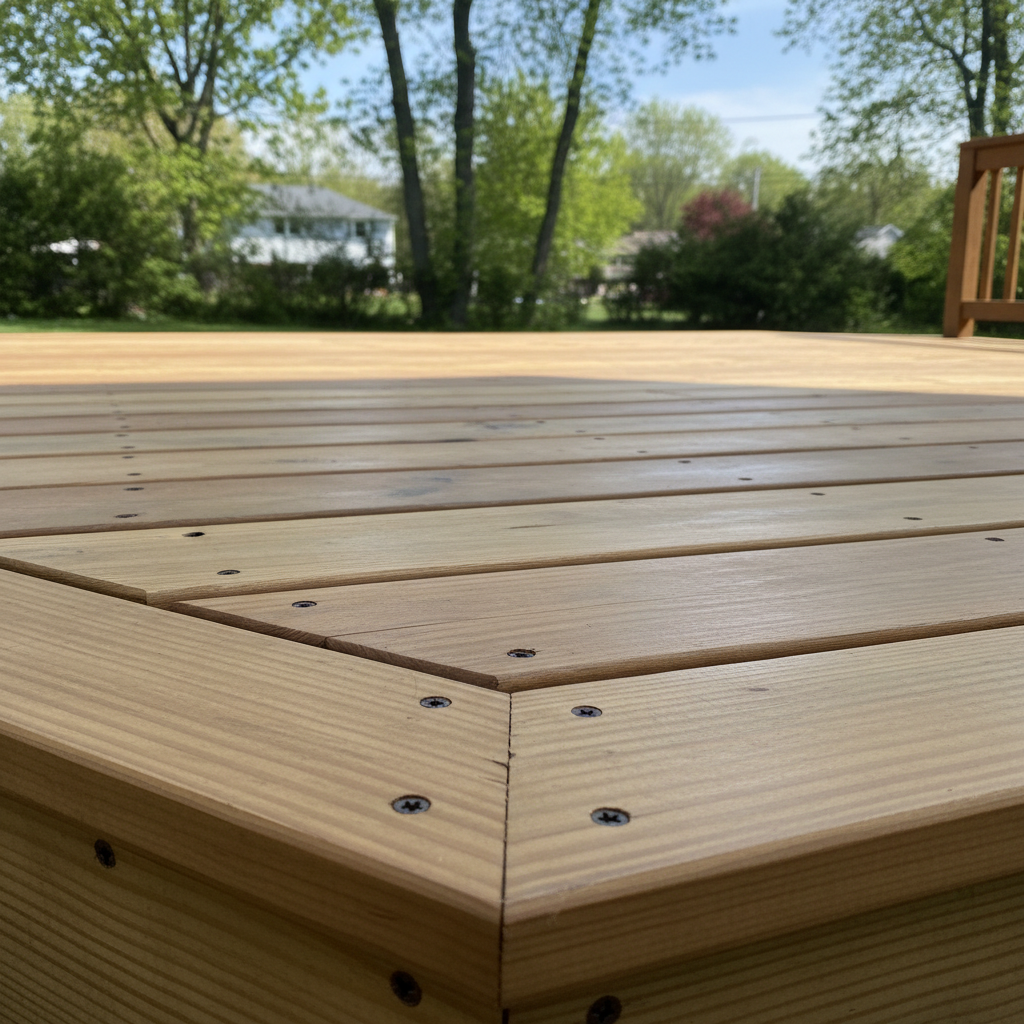
Alright, let's talk decks. I've been building them around Bristol for years, and homeowners always have a bunch of smart questions before they commit. That's good! You should know what you're getting into. So, I figured I'd put together a quick FAQ of the stuff I hear most often. No fluff, just straight answers from someone who's actually out there building these things.
Do I really need a permit for a new deck in Bristol?
Absolutely, you do. Don't even think about skipping this step. The City of Bristol Building Department requires permits for new deck construction, and for good reason. It's about safety. They want to make sure your deck is built to code, strong enough to hold a crowd, and safe for your family and friends. If you build without one, you could face fines, have to tear it down, or run into huge headaches when you try to sell your house down the line. We handle all the permit paperwork for our clients at All Star Decks, making sure everything's squared away before we even cut the first board. It's just part of doing things right.
How long does a typical deck construction project take?
That's a tough one to give a single answer for, because it really depends on the size and complexity of the deck. A small, simple ground-level deck might be done in a week or two. A larger, multi-level deck with built-in features, railings, and maybe even a pergola? That could be three to four weeks, sometimes more. Weather plays a big role too. We get those classic New England spring showers and summer thunderstorms, and you can't pour concrete or install certain materials in a downpour. Once we get a design finalized, we can give you a much more accurate timeline, but generally, plan for a few weeks of active construction.
What kind of foundation is best for a deck in Connecticut?
For decks in Connecticut, especially with our freeze-thaw cycles, a solid foundation is crucial. We almost always use concrete footings that extend below the frost line. In Bristol, that's generally 42 inches deep. This prevents frost heave, which is when the ground freezes, expands, and pushes your footings (and your deck) upwards. When it thaws, the ground settles, but your deck might not settle back exactly where it was, leading to unevenness or structural issues. Piers or helical piles are also options depending on soil conditions and design, but concrete footings are the most common and reliable method we use to keep your deck stable for decades.
Can I build a deck myself, or should I hire a professional?
Look, I'm a professional deck builder, so you know what I'm going to say, right? But honestly, it's not just about getting the business. Building a deck isn't like assembling IKEA furniture. There are structural calculations, local building codes, proper fastening techniques, and safety considerations that are really important. If you're super handy, have all the right tools, and understand construction principles, maybe. But for most homeowners, especially for elevated decks, hiring a pro is the smart move. We've got the experience, the specialized tools, and the insurance to make sure it's done safely, correctly, and will last. Plus, you get to enjoy your weekends instead of spending them hauling lumber.
What's the best time of year to build a deck in Bristol?
People often think summer, but honestly, spring and fall are fantastic times. In spring, once the ground thaws and before the heat and humidity really kick in, it's perfect. The weather is generally mild, and we can get the foundation work done without fighting frozen ground. Fall is great too, after the peak summer rush, and before the real cold sets in. You get to enjoy your new deck for a bit before winter, and it's ready to go the moment spring arrives. Summer can work, but it's often our busiest time, and those hot, humid days can make construction a little slower. Winter? We can do some work, but pouring concrete and certain installations become much harder with freezing temperatures.
How do I choose between different deck materials?
This is a big one, and it really comes down to your budget, how much maintenance you're willing to do, and the look you're going for. Pressure-treated wood is the most affordable upfront, but it requires regular staining or sealing. Composites, like Trex, are more expensive initially but are super low-maintenance – just wash them off. They come in tons of colors and styles now, mimicking wood pretty well. Then you've got hardwoods like Ipe, which are beautiful and durable but pricey and still need some care. We'll walk you through all the options, show you samples, and help you figure out what makes the most sense for your home, your lifestyle, and your wallet. No single 'best' material, just the best for you.
What about hidden costs I should be aware of?
Good question. The main quote we give you covers the deck itself, but there can be a few other things that pop up. Sometimes, we find old, buried concrete or tree roots that need extra effort to remove for the foundation. If your yard slopes significantly, we might need to do some extra grading or retaining work. Existing landscaping might need to be temporarily moved or protected. Also, don't forget about electrical work if you want deck lighting or outlets. We try our best to anticipate these during the initial site visit, but sometimes things only become clear once we start digging. We'll always communicate any unexpected costs with you right away, so there are no surprises.